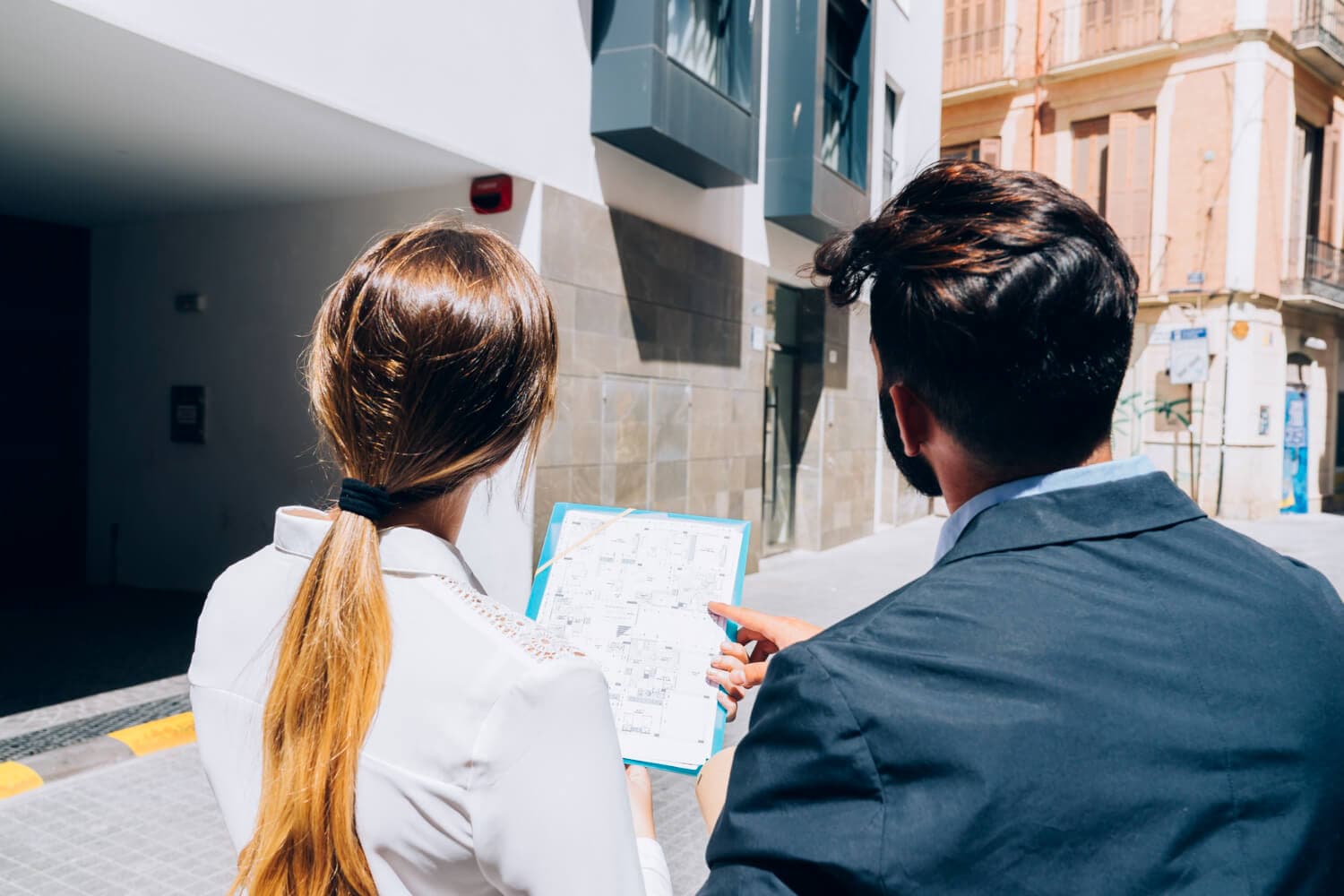
Walking through a house for sale, it's easy to be won over by fresh paint and good styling. But a proper inspection is about looking past the presentation to find the problems that could cost you thousands later. Knowing what to look for when buying a house, inside, outside, and in the paperwork is one of the most valuable skills a buyer can have.
Whether you're a first home buyer or an experienced investor, this guide walks you through exactly what to check, the red flags that should give you pause, and a room-by-room checklist you can take to every inspection.
What to Look For Inside the House
Approach each inspection methodically rather than wandering room to room. Inside, focus on the structure and the systems, the expensive things to fix.
- Walls, ceilings and floors: Look for cracks (anything noticeably wide is worth questioning), water stains that hint at plumbing or roof leaks, and sagging ceilings or uneven, bouncy floors that can signal structural movement.
- Water pressure and plumbing: Turn on taps and showers, and flush toilets, to check pressure and drainage. Look under sinks and around fixtures for leaks or water damage.
- Electrical system: Test light switches and power points, and check the meter box. Outdated or unsafe wiring is common in older homes and costly to bring up to standard.
- Mould and damp: A musty smell, or mould in bathrooms, kitchens and wardrobes, points to poor ventilation or hidden leaks, and can be a health issue as well as a repair bill.
- Windows and doors: Open and close them. Sticking frames, broken seals, or draughts suggest movement or wear.
What to Look For Outside the House
The exterior often reveals issues you won't spot inside.
- Roof and gutters: Look for missing or cracked tiles, rust, sagging, and blocked or damaged gutters that can cause water to pool and damage the structure.
- Building structure: Check the foundation, brickwork and external walls for cracks, movement or render that's lifting. Fresh paint in patches can sometimes hide repairs.
- Drainage and ground: Note whether the land slopes towards or away from the house, and look for signs of water pooling near the foundation.
- Orientation and sunlight: In Australia, north-facing living areas get the best natural light and winter warmth, which improves comfort and energy efficiency. Note where the sun hits the main living spaces.
- Outdoor areas: Assess fences, retaining walls, driveways and paths for damage, movement or trip hazards.
Red Flags to Watch For
Some issues are more than cosmetic, they signal expensive repairs or safety risks, and they're worth either negotiating on or walking away from. The most common serious problems found when buying a house are:
Most common serious problems found when buying a house
- Structural issues: Cracks in the foundation, walls or ceilings, and uneven floors that may indicate foundation movement. These are among the costliest to fix; bring in a structural engineer or building inspector if you're concerned. Significant defects can also affect the property's value.
- Water damage: Stains, damp, peeling paint or a musty smell, which can lead to rot, mould and corrosion over time.
- Pest infestations: Termites are the big one; look for mud trails, hollow-sounding timber, droppings or visible damage. A professional pest inspection is the only way to be sure.
- Unsafe electrical wiring: Flickering lights, scorched outlets, or a burning smell warrant a licensed electrician before you commit.
Spotting these early gives you room to renegotiate the price, request repairs, or reconsider the purchase.
DIY Check vs Professional Inspection
A walk-through of your own is useful for an initial read, but it has limits, and the expensive problems are usually the hidden ones.
What you can check yourself: the interior and exterior points above, walls, floors, plumbing, power points, the roofline from ground level, signs of mould or pests, and how the home feels in terms of light, noise and layout. This helps you decide whether a property is worth pursuing.
When to bring in a professional: before you commit. A qualified inspector assesses structural integrity and safety in ways a buyer can't, and gives you a written report you can use in negotiations. The two key reports are a building inspection and a pest inspection (often booked together), and in some states you can also commission a dilapidation report for neighbouring-property disputes.
Building and Pest Inspections
If there's one cost you should never skip, it's a professional building and pest inspection. A combined report typically costs $400 to $800, depending on the property's size and location, a small price against repairs that can run from $20,000 to well over $100,000.
Arrange inspections before signing, or during the cooling-off period where one applies. Note that at auction there's no cooling-off period, so book your inspections before you bid. This is one of several costs to budget for upfront, see our full guide to the cost of buying a house in Australia for the complete picture.
Your Property Inspection Checklist
Take this checklist to every inspection so nothing slips through. It works whether you're doing a first walk-through yourself or following up with a professional.
Interior
- Walls and ceilings, cracks, stains, mould, water damage
- Floors, uneven surfaces, creaks, damage to carpet, tiles or boards
- Windows and doors, open/close properly, no draughts or broken seals
- Plumbing, water pressure, leaks under sinks, drainage
- Electrical, working switches and outlets, no exposed wiring
- Heating and cooling, present and functional
Exterior
- Roof and gutters, missing tiles, rust, blockages
- Foundation, cracks, movement, water pooling nearby
- Walls and paintwork, brickwork, cladding, render condition
- Driveways and paths, cracks, uneven surfaces, trip hazards
- Outdoor areas, fences, retaining walls, gardens
Safety
- Smoke alarms, installed and working
- Pool fencing, compliant with safety regulations (if applicable)
A printable version of this checklist is a handy thing to keep in your pocket on inspection day.
Legal Checks and Disclosures
What's in the paperwork matters as much as what's in the walls. Before you buy, review the legal documents, and get a conveyancer or property lawyer to help if anything is unclear.
- Contract of sale and disclosure statement. In Victoria this is the Section 32 statement, which discloses ownership, mortgages or caveats, zoning, and any building works requiring permits. Other states have their own vendor disclosure rules. Read it carefully.
- Building permits and renovations. Confirm that any extensions or renovations were done with proper permits. Unapproved work can breach building codes and become your problem to rectify.
- Due diligence checklist. Many states publish a buyer's due diligence checklist covering the key risks to investigate before signing.
Environmental and Location Factors
The house itself is only half the picture, its surroundings shape both your day-to-day comfort and the property's future value.
- Noise: Traffic, trains, schools or businesses nearby. Visit at different times of day if you can.
- Amenities and transport: Proximity to shops, public transport, parks and schools tends to support long-term value.
- Sunlight and ventilation: North-facing living areas for light and warmth, and good cross-ventilation in kitchens and bathrooms to prevent damp.
- Bushfire and flood zones: Check whether the property sits in a risk zone, as this affects insurance availability, premiums, and building requirements. Check flood maps and ask the local council about history.
A quick way to understand an area's market and growth trends is to pull a free suburb report before you commit.
Inspecting With Finance in Mind
A thorough inspection protects you from buying a money pit, but it works best alongside a clear budget and finance plan. Sorting your home loan pre-approval before you start means you can move quickly when the right property checks out, and our first home buyer checklist covers the steps around inspection day.
If you'd like help getting your finance ready before you start inspecting, book a free chat with the Stryve Finance team.
Frequently Asked Questions
What should you look for when buying a house?
Check the structure and systems first, walls, ceilings and floors for cracks or water damage, plumbing and water pressure, the electrical system, and signs of mould or pests. Outside, check the roof, gutters, foundation and drainage. Then review the legal documents and consider the location, noise and orientation.
How much does a building and pest inspection cost?
A combined building and pest inspection typically costs between $400 and $800, depending on the size and location of the property. It's a small cost compared with the repairs a report can help you avoid.
Can I inspect a house myself, or do I need a professional?
You can do an initial walk-through yourself to decide whether a property is worth pursuing, but a professional building and pest inspection is strongly recommended before you commit. Inspectors find hidden structural, safety and pest issues a buyer can't, and provide a report you can use to negotiate.
What's the difference between a building inspection and a pest inspection?
A building inspection assesses the structure and condition of the property, roof, walls, floors, plumbing and safety. A pest inspection looks specifically for timber pests like termites. They're different reports but are often booked together.
What are the biggest red flags when buying a house?
The most serious are structural movement (foundation or wall cracks, uneven floors), water damage and damp, termite activity, and unsafe electrical wiring. Any of these can mean major repair costs.
Should I inspect a house before auction?
Yes. There's no cooling-off period when you buy at auction, so arrange your building and pest inspections and review the contract before you bid, not after.

Dylan Bertovic is the Director and Senior Finance Broker at Stryve Finance, specialising in non-traditional lending solutions. He helps clients across Australia with tiny home loans, construction finance, equipment and asset lending, refinancing, and investor loans. With deep expertise in self-employed and renovation mortgages, Dylan is known for crafting tailored strategies that get results