
When applying for a home loan in Australia, your credit score can play a major role in how lenders view you as a borrower. Think of it as your financial report card, a number that reflects how responsibly you've handled money, credit, and repayments in the past.
Whether you're a first-time buyer or looking to refinance, understanding your credit score for home loan approval can make all the difference between getting approved easily or facing higher interest rates.
At Stryve Finance, we know that buying a home is one of life's biggest financial decisions. That's why we help Australians not only secure the right home loan, but also understand what lenders are really looking for, from credit scores to income, savings, and everything in between.
In this guide, we'll break down everything you need to know about credit scores and home loans, from what your score means to how you can improve it and still get approved for the home you want.
Typical Credit Score Ranges in Australia
Here's how credit scores are generally classified by major credit bureaus in Australia, giving you a clear idea of where you stand before applying for a home loan.
| Rating | Equifax (0-1200) | Experian/illion (0-1000) | What It Means |
|---|---|---|---|
| Excellent | 853 - 1200 | 800 - 1000 | Exceptional financial behaviour, access to the best home loan rates. |
| Very Good | 735 - 852 | 700 - 799 | Low-risk borrower, strong approval chances. |
| Good | 661 - 734 | 625 - 699 | Generally acceptable for most lenders; may get competitive offers. |
| Fair | 460 - 660 | 550 - 624 | May face tighter approval or slightly higher rates. |
| Poor | 0 - 459 | 0 - 549 | Higher-risk, specialist, or non-conforming lenders required. |
A higher credit score generally means a better chance of approval and lower interest rates. But if your score isn't perfect, don't worry, around 71% of Australian home loans in 2024 were arranged through mortgage brokers (MFAA Industry Report, 2024), showing how valuable expert guidance can be, especially for borrowers with less-than-perfect credit.
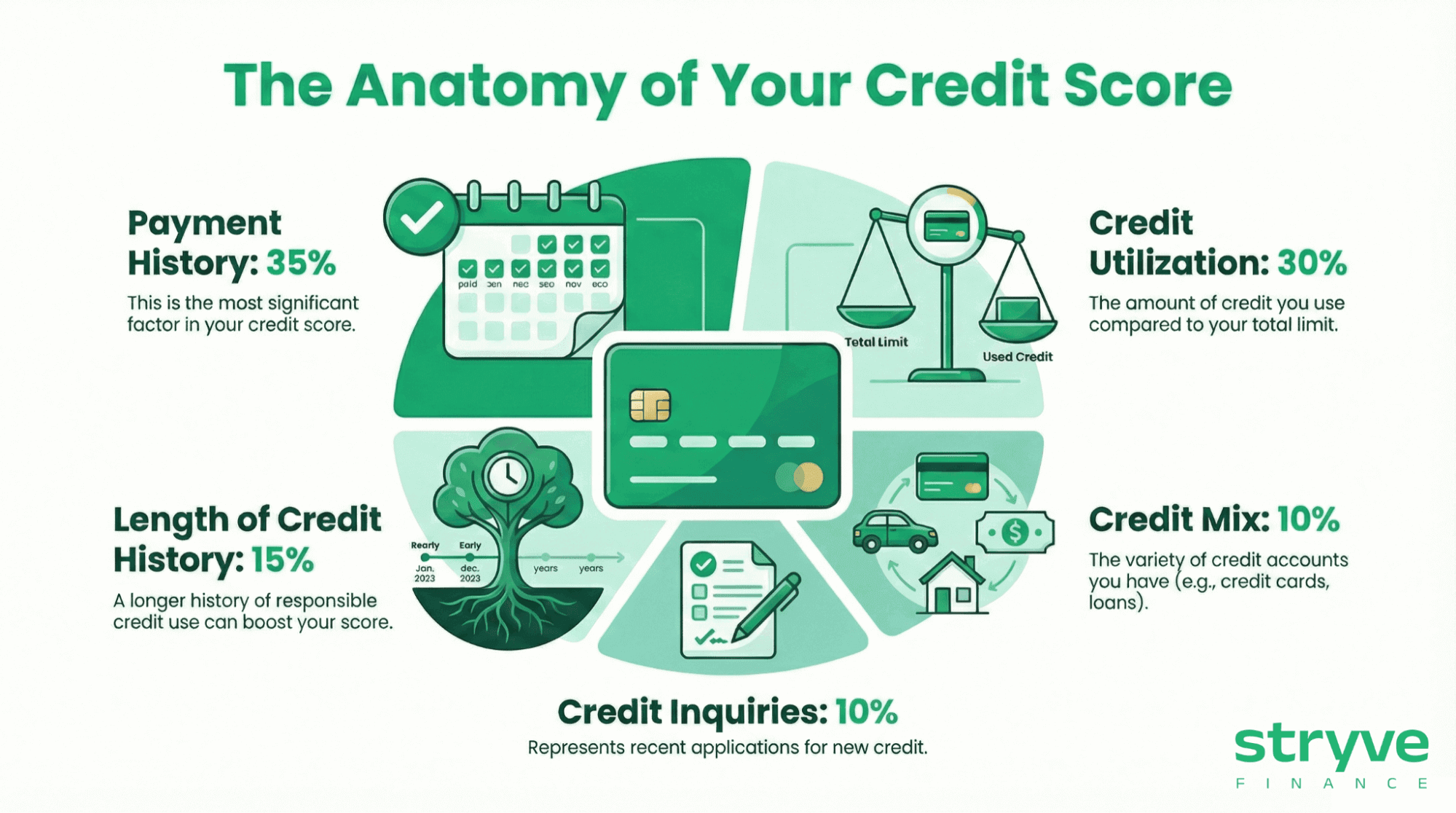
We work with a wide range of lenders, from major banks to flexible non-bank options, to find solutions that suit your credit situation, whether you're aiming for your first property or looking to refinance.
Minimum Credit Score for a Home Loan
There's no single magic number that guarantees approval, but understanding the minimum credit score for a home loan can give you a realistic sense of where you stand.
Most Australian lenders assess your credit score for home loan approval using their own internal policies, but in general:
| Credit Score Range | Loan Eligibility | Typical Lenders | Expected Terms |
|---|---|---|---|
| 750+ (Excellent) | Very strong approval chance | Major banks & premium lenders | Best interest rates & flexible loan options |
| 700 - 749 (Good) | Strong approval chance | Banks & credit unions | Competitive rates, standard approval process |
| 600 - 699 (Average) | Acceptable range | Banks & second-tier lenders | May face tighter scrutiny, slightly higher rates |
| 500 - 599 (Fair) | Conditional approval possible | Specialist or non-conforming lenders | Higher rates or a need for a larger deposit |
| Below 500 (Poor) | Unlikely with mainstream lenders | Specialist bad credit lenders | May need a guarantor or significant deposit |
According to Equifax Australia (2024), borrowers with scores above 660 are considered “good” and typically qualify with major banks, while scores above 730 fall into the “very good” range, giving applicants the best chance of approval and competitive rates. At Stryve Finance, we regularly help clients secure finance even when their score falls below 600 by matching them with lenders who assess your overall financial story, not just the number on your credit report.
Example Scenario:
Let's say Sarah has a credit score of 580 because of an old missed payment from a few years ago. While a big bank might decline her application, Stryve Finance can connect her with a non-conforming lender who considers her stable job, 15% deposit, and recent strong repayment history, helping her buy her first home faster.
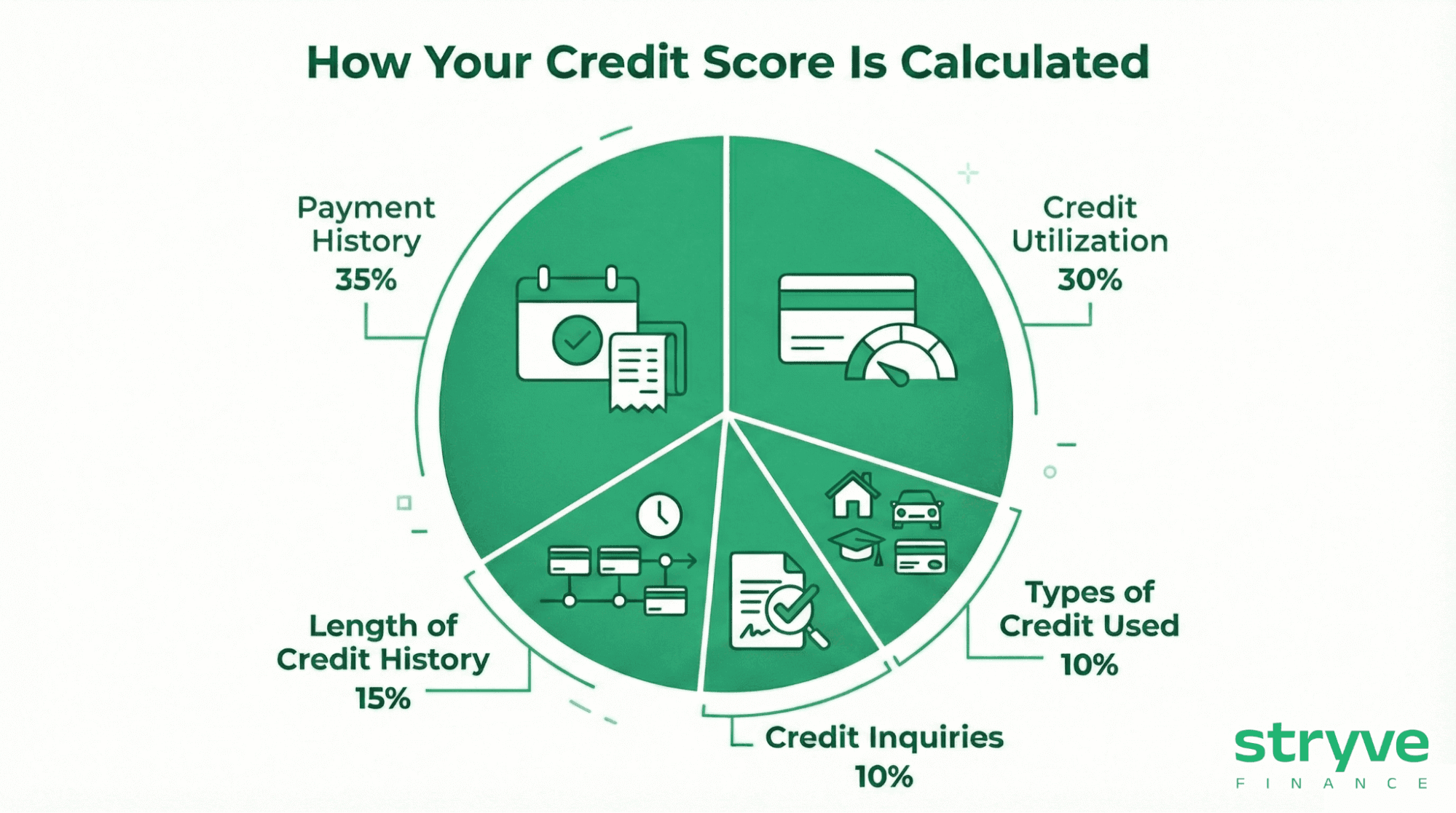
What Else Do Lenders Look At?
Even if your credit score isn't ideal, lenders also evaluate:
- Employment history and income stability
- Savings behaviour (especially “genuine savings”)
- Debt-to-income ratio (how much of your income goes to repayments)
- Loan-to-value ratio (LVR) (how much you're borrowing versus your deposit)
These factors can often offset a lower credit score and help you still qualify for a competitive home loan.
How Credit Score Affects Your Home Loan
Your credit score does more than decide whether you get approved for a loan, it also influences how much you'll pay over the life of that loan. In Australia, lenders use your score as a snapshot of how risky (or reliable) you are as a borrower.
Here's how your credit score for a home loan can affect key aspects of your mortgage:
1. Loan Approval Odds
A strong credit score signals to lenders that you're financially responsible and likely to make repayments on time. Borrowers with higher scores typically experience:
- Faster approvals
- Fewer document requests
- Access to a wider range of lenders
Those with lower scores may still qualify, but often through specialist lenders with slightly stricter conditions.
2. Interest Rates
Your credit score directly affects your home loan interest rate. Lenders reward good credit with lower rates because it reduces their risk.
| Credit Score | Typical Interest Rate Range | Example |
|---|---|---|
| Excellent (750+) | From 5.5% p.a. | You're offered the lender's best-advertised rate |
| Good (700 - 749) | Around 5.8 - 6.2% p.a. | Competitive, depending on LVR and income |
| Average (600 - 699) | 6.3 - 6.8% p.a. | Standard bank rates or slightly above |
| Fair (500 - 599) | 7% + p.a. | Specialist or non-bank lender territory |
Over a 30-year loan, even a 0.5% difference in interest rate could mean paying tens of thousands more, which is why maintaining a strong credit score for home loan approval can make a major financial difference.
For example, on a $600,000 home loan over 30 years, a 0.5% higher interest rate can cost around $65,000 more in total repayments, a major difference driven purely by your credit profile. (Source: Canstar Mortgage Repayment Calculator, 2025)
3. Lenders Mortgage Insurance (LMI)
If your credit score is below average and your deposit is less than 20%, you'll likely pay Lenders Mortgage Insurance (LMI). This isn't to protect you; it protects the lender if you can't make repayments.
Improving your credit score and saving a slightly larger deposit can often help you avoid LMI entirely and save thousands upfront.
4. Loan Flexibility
Borrowers with strong credit profiles often get access to:
- Higher borrowing limits
- More loan features (offset accounts, redraw facilities)
- Easier refinancing options
If your score is on the lower side, your options may be more limited, but not impossible. Stryve Finance works with lenders who can customise terms for borrowers across all credit tiers, ensuring you don't miss out on home ownership opportunities.
Tip: Think of your credit score as part of your financial story, not your identity. Even if your score isn't perfect, consistent repayment habits and financial stability can outweigh a few old blemishes when a mortgage broker presents your case to the right lender.
Common Myths About Credit Scores and Home Loans
There's a lot of confusion out there about how credit scores really work, especially when it comes to getting a home loan. At Stryve Finance, we hear these myths every week from clients who are worried they don't meet a lender's “perfect” credit score criteria.
Let's clear the air with a few facts that could save you stress and possibly money.
Myth 1: "You Need a Perfect Credit Score to Get a Home Loan"
Reality:
You don't need a spotless credit report or an 850+ score to buy a home. In fact, most Australians approved for mortgages have “good” rather than “excellent” credit scores.
Lenders assess the whole picture, including your income stability, deposit amount, and repayment history, not just the number on your report. Even if your score is below average, a mortgage broker like Stryve Finance can connect you with specialist or non-conforming lenders who look beyond credit scores.
Myth 2: "Checking Your Own Credit Score Hurts It"
Reality:
This is one of the most common misconceptions. When you check your own credit score, it's considered a soft inquiry, and it has no impact on your credit score.
Only hard enquiries when a lender runs a credit check for an actual loan or credit card application can temporarily lower your score. So, go ahead and check it regularly; understanding your credit score for home loan readiness is the first step toward improving it.
Myth 3: "A High Credit Score Guarantees Home Loan Approval"
Reality:
While a high score definitely helps, it's not a guarantee. Lenders also consider:
- Your current debts and loan-to-income ratio
- Employment history and industry type
- Whether your income is consistent or variable
- Your deposit size (especially if it's less than 20%)
That's why two people with the same credit score can get different loan outcomes depending on the lender and their individual circumstances.
Myth 4: "Once You Have Bad Credit, You Can't Get a Home Loan"
Reality:
Not true. With the right strategy, you can still qualify for a home loan with bad credit. There are lenders in Australia that specialise in bad-credit home loans, often at slightly higher rates or requiring a larger deposit.
At Stryve Finance, we help clients recover from credit issues by positioning their applications with lenders who focus on the present, not the past, making homeownership achievable again.
Myth 5: "Paying Off a Debt Instantly Fixes Your Credit Score"
Reality:
Paying off debt helps, but it doesn't instantly erase negative marks. In Australia, Equifax and illion report that negative events such as defaults or serious credit infringements remain visible for five years, while bankruptcy details can appear for up to seven years. However, consistent on-time payments moving forward can gradually rebuild your credit reputation and improve your home loan eligibility over time.
Tip: Your credit score is a snapshot, not a sentence. With the right guidance and lender strategy, most Australians can still qualify for a competitive home loan, regardless of their past financial hiccups.
How to Improve Your Credit Score Before Applying
If your score isn't where you want it, a few months of consistent habits can lift it before you apply: paying every bill on time, keeping credit card balances low, and avoiding new applications. For the full step-by-step method, including how to check your score for free and dispute errors, see our complete guide on how to check and improve your credit score.
Credit Score Tips for First-Time Home Buyers

If you're buying your first home, your credit score can make a big difference in how easily you get approved. But don't worry, even with limited credit history or a few past mistakes, it's still possible to get a home loan.
Here are simple ways to boost your chances:
- Build a Small Credit History: Start with a low-limit credit card or make sure your bills are in your name. Pay everything on time, it shows lenders you're reliable.
- Save a Genuine Deposit: Most lenders want at least 5-20% saved from your own income. If you're short, government schemes like the First Home Guarantee can help you buy with a smaller deposit and no LMI.
- Limit Buy Now, Pay Later Use: Afterpay and Zip can hurt your credit score for a home loan. Avoid new accounts before applying.
- Keep Finances Steady: Avoid changing jobs or taking on new debt before applying; stability helps your application appear stronger.
- Get Expert Help: As a mortgage broker, Stryve Finance can connect you with lenders that welcome first-home buyers, even with lower scores. We'll guide you from credit check to approval.
What If Your Credit Score Isn't Ideal?
If your credit score isn't great, don't worry. You can still get a home loan in Australia, especially with the right guidance. Many lenders now offer bad credit home loans designed to help people rebuild their financial standing while owning property.
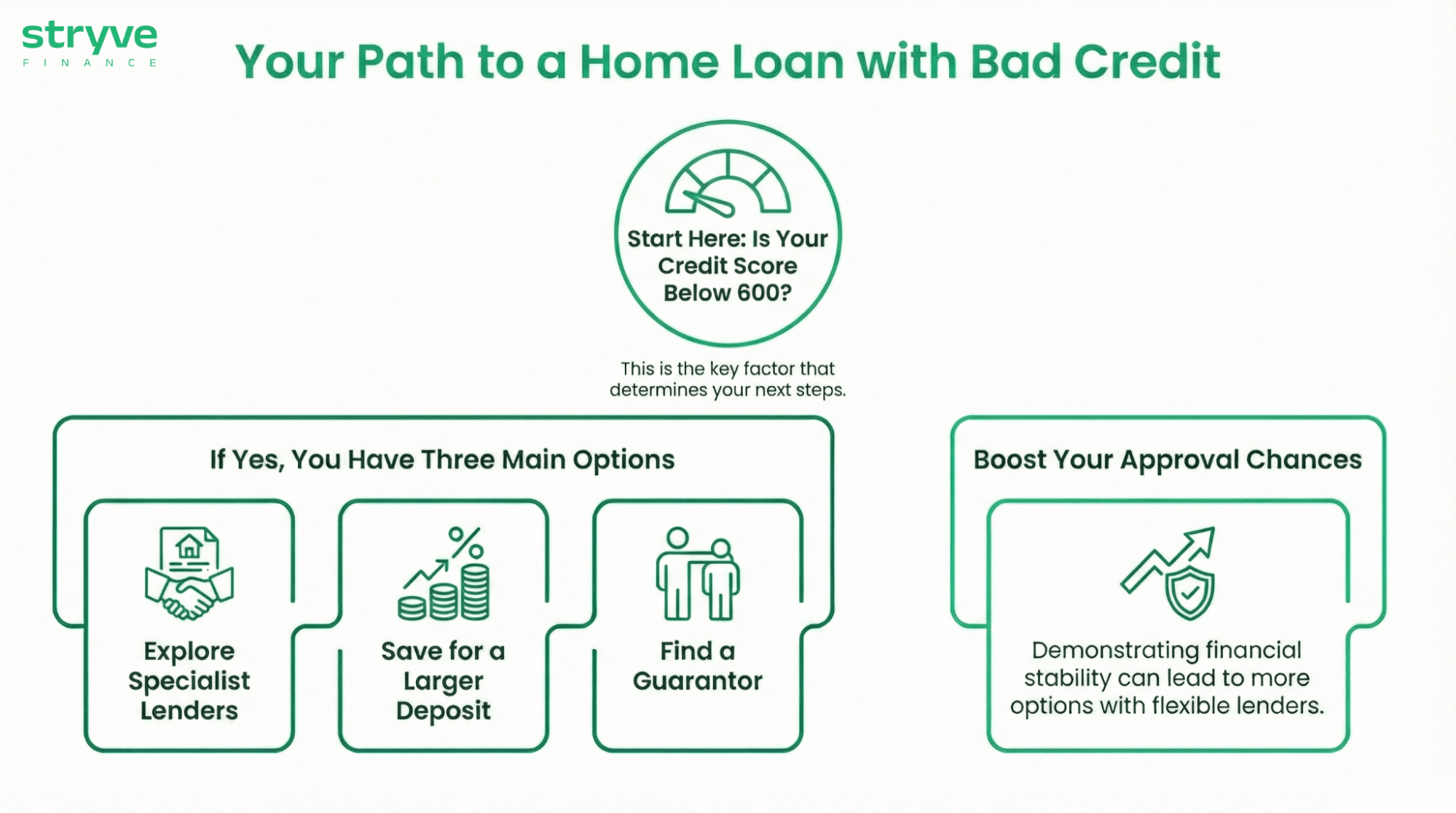
At Stryve Finance, we work with both major banks and specialist lenders who look beyond the numbers. Even if you've had missed payments, defaults, or a short credit history, we can often find a lender willing to help.
Here's what you can do:
- Check your credit report and fix any errors.
- Showing stability, steady income, regular savings, and on-time bills makes a big difference.
- Save a larger deposit; this reduces the lender's risk and can offset a lower score.
- Avoid new debt while preparing your loan application.
Tip: Some specialist lenders approve borrowers with scores under 600, especially if the issue is old or one-off.
So if your bank says no, don't give up. Stryve Finance can help you find flexible lenders who focus on your current situation, not just your credit history.
Conclusion
Your credit score for a home loan matters, but it's not the only thing lenders care about. Even if your score isn't perfect, the right preparation and the right broker can open the door to home ownership sooner than you think.
At Stryve Finance, we understand that every borrower's story is different. We take the time to understand your situation, strengthen your application, and match you with lenders who see more than just a number.
So whether you're:
- Buying your first home,
- Rebuilding your credit, or
- Looking for a better deal
We'll help you find a path that works for you.
Ready to get started?
Contact Stryve Finance today for expert guidance on your credit score and home loan options, and take the first confident step toward your new home.

Dylan Bertovic is the Director and Senior Finance Broker at Stryve Finance, specialising in non-traditional lending solutions. He helps clients across Australia with tiny home loans, construction finance, equipment and asset lending, refinancing, and investor loans. With deep expertise in self-employed and renovation mortgages, Dylan is known for crafting tailored strategies that get results